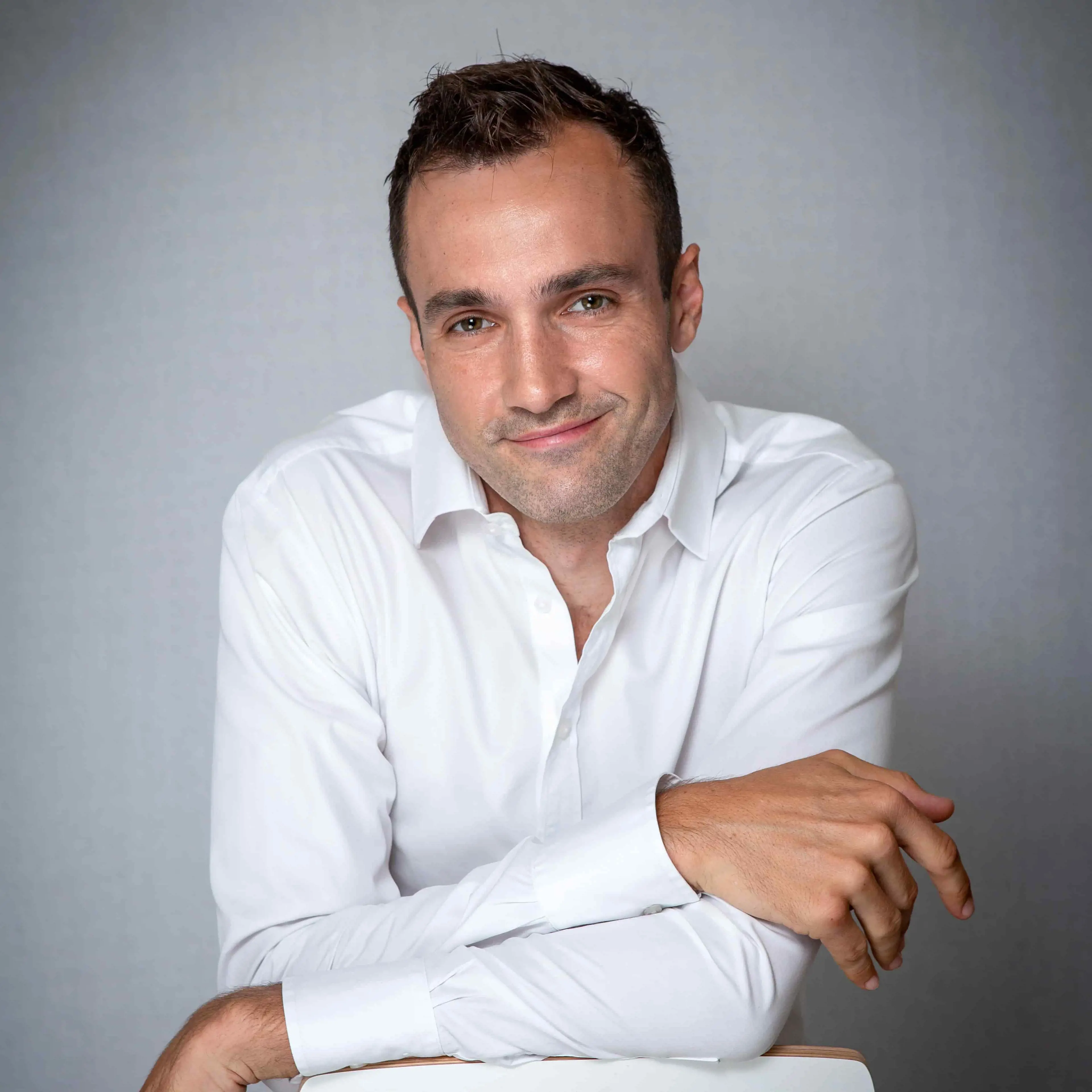
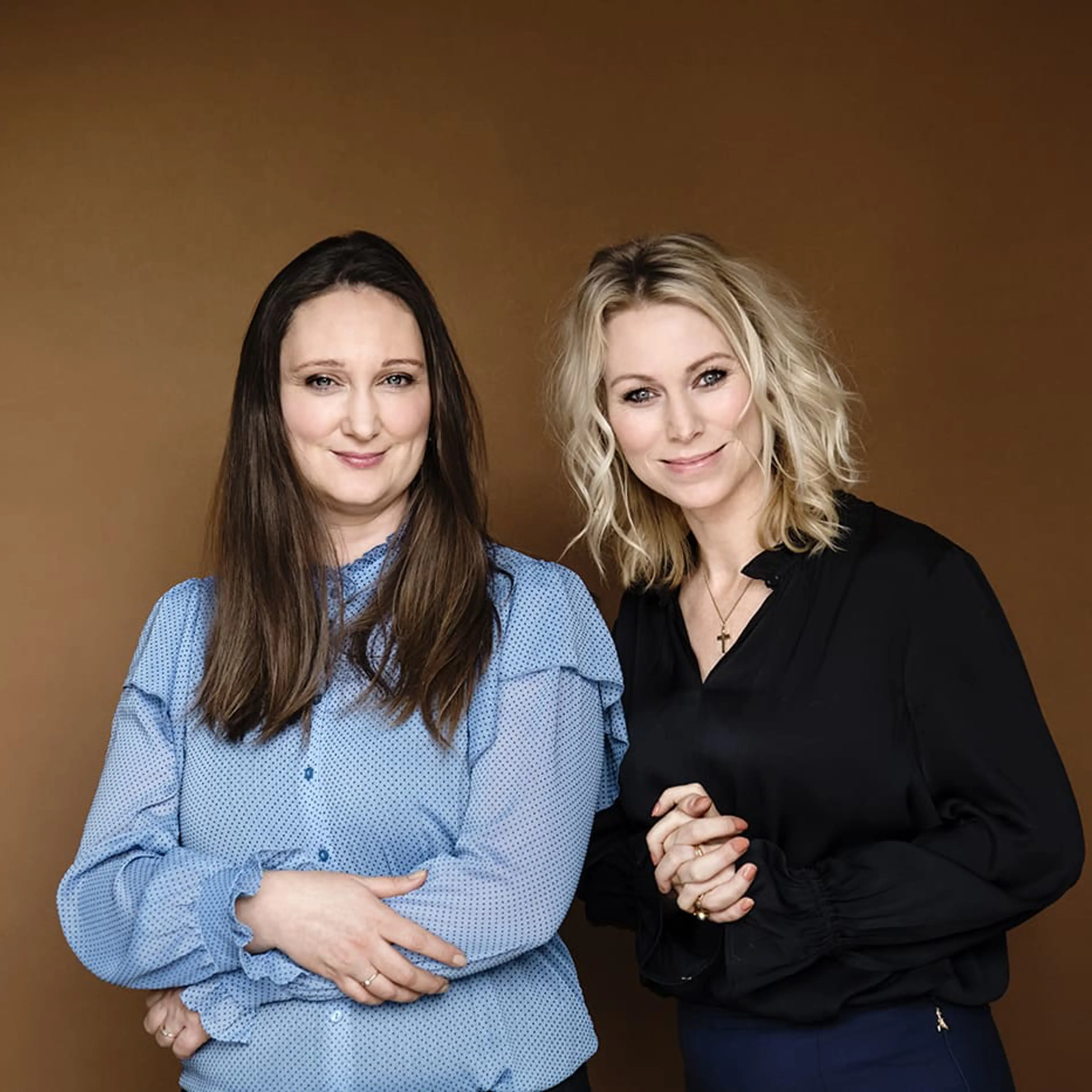
Leadership begins by challenging assumptionsOne of the first things Eric and Nicole do, whether in a classroom, in corporate setting or at their leadership development workshops, is to unsettle participants’ assumptions about what leadership is:
“When we ask, ‘What is leadership?’, people don’t answer the question. Instead, they describe who they think are great leaders. So, we unpack with them why they do that: people generally personalise leadership and take on so much responsibility in their own leadership that they think they must be like these figures. But nobody can be like the people they describe. Instead, we show them that leadership is also something you can do together,” Eric explains.
That shift, from leader to leadership, is not just conceptual. It fundamentally shapes how Eric and Nicole design their training and workshops:
“We show them that leadership doesn’t have to sit within the individual person, but can be a set of relationships,” Nicole says. “And that is why we try to design the workshops in the most relational and dialogic way we can. We don’t do individual personality tests, because it simply doesn’t reflect our research or the most cutting-edge leadership research today.”
Leadership as a relational practiseInstead of focusing on the individual, their sessions are built around interaction, reflection, and shared experience:
“We’re largely trying to get people to collaborate, interact, or do some kind of embodied work with one another,” Nicole continues. “Because that is what developing leadership actually looks like.”
This approach often runs counter to what organisations expect when they invest in leadership development.
For Eric and Nicole, this is where research makes a difference – not by simplifying, but by adding layers of understanding:
”People expect tools they can use the next day,” Eric says. “That is understandable. But people are already flooded with tools. What they need is the critical capacity to understand the assumptions behind those tools and the ability to pick and choose between them.”
To Nicole, the point is equally about how leadership is understood in practice:
“We try to develop critical reflexivity: the idea that how you see the world and how the world sees you is constantly sort of the result of power relationships and social identities and institutions.”
In practice, Eric and Nicole tries to trigger aha moments through deceptively simple exercises:
“We like to start with that ‘what is leadership’ activity. We get them to give off-the-cuff answers, and then we reflect it back to them. That is often the first moment where they realise: where does my understanding of leadership come from? And once people start sharing their experiences with one another, that is where you see the critical thinking happening and the development happening between people”, Nicole explains and adds another example:
“We also do an exercise where men are asked questions that women typically get in interviews. And it’s not until you switch it that they realise how absurd it is. They feel it and that is when they understand how gender and power work.”